Activities, Events, Co-creation Workshops and Stakeholder Engagement
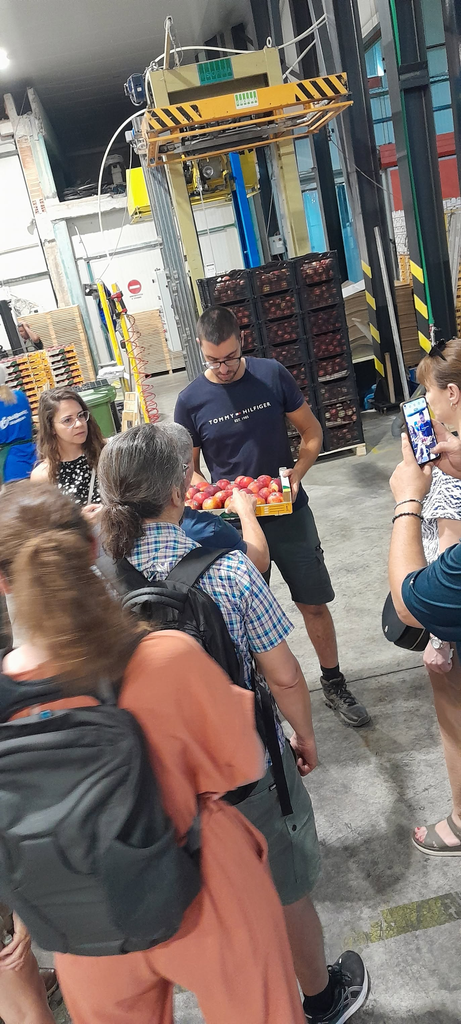
The Western Macedonia Living Lab has been developed through a combination of regional co-creation workshops, stakeholder meetings, project events, networking and dissemination activities, creating continuous opportunities for interaction with the regional ecosystem. Three Regional Living Lab Workshops formed the core of the co-creation process, progressively engaging stakeholders from agriculture and agro-industry, academia, regional and local organisations, business-support bodies and other bioeconomy actors. The 1st Regional Workshop, held in Kozani on 12 November 2024, introduced the Living Lab approach and explored opportunities for valorising stone-fruit and vineyard side streams, combining stakeholder discussion with a technical visit to ENTEKA Distillery. The second workshop built on the outcomes of the first session and continued the dialogue on the proposed circular business models, the characteristics and availability of regional biomass, relevant valorisation technologies and the roles, opportunities and practical constraints of regional actors. The 3rd Regional Workshop, held in Kozani on 9 May 2025, advanced the co-creation process through the presentation of raw-material and biomolecule characterisation results, discussion of potential applications, regulatory requirements and funding opportunities, an interactive Mentimeter exercise, and a detailed comparison of alternative business models. Beyond the dedicated workshops, the Living Lab was strengthened through participation in relevant external and project-level events: at the 30th Agrotica International Fair in Thessaloniki (6 February 2024), CluBE and ROBOCOOP partners engaged with representatives of the Velventos “DIMITRA” Cooperative and ENTEKA Distillery; at the 2nd Project Meeting in Bari (25 June 2024), the Greek Living Lab was represented by both organisations and participated in technical visits and exchanges with other European cooperatives; and ROBOCOOP was further promoted through the “Sustainable Entrepreneurship” seminar at Harokopio University in Athens (31 May 2024) and the “Green transitions in coal regions: regional development through bioeconomy” event (October 2025). Overall, these activities created an ongoing process of information exchange, stakeholder engagement, networking and co-creation, allowing project results and technical knowledge to be shared with regional actors while their experience and feedback were progressively incorporated into the development of circular value chains and the assessment of viable business model options for Western Macedonia.
The Western Macedonia Living Lab has been developed as a multi-actor regional ecosystem, with stakeholder engagement beginning with the identification and mapping of relevant organisations and continuing through workshops, consultations, discussions and co-creation activities. The ecosystem brings together agricultural cooperatives and primary-sector actors, agro-industrial businesses, universities and research organisations, regional and local bodies, business-support organisations and actors with expertise in circular economy and waste management, each contributing a different part of the knowledge and resources required for a viable bio-based value chain. Key actors directly linked to the examined biomass streams include the Agricultural Cooperative of Velventos “DIMITRA”, representing the stone-fruit value chain, and ENTEKA Distillery, representing the wine/grape value chain. Organisations such as CluBE, ANKO and DIADYMA contribute complementary expertise related to regional development, circular economy, business support and enabling conditions, while the University of Western Macedonia and Aristotle University of Thessaloniki provide scientific and research perspectives. This multi-actor character was evident in the third regional workshop, which brought together 15 participants from organisations including CluBE, ANKO, DIADYMA, ENTEKA, DIMITRA, Voion Land Products, the University of Western Macedonia, Aristotle University of Thessaloniki and Kamkoutis Vineyard. Importantly, stakeholders have not acted merely as recipients of project information but as active contributors to the Living Lab, discussing biomass availability and characteristics, biomolecule results and potential applications, regulatory and funding conditions, logistical and technical constraints, and the feasibility of alternative business models. Their complementary perspectives have helped connect biomass producers, processing and technical expertise, potential applications and markets, financing and business support, and the wider regional enabling environment, allowing the proposed solutions to be progressively adapted to the actual needs, capacities and conditions of Western Macedonia.

